The White Archangel
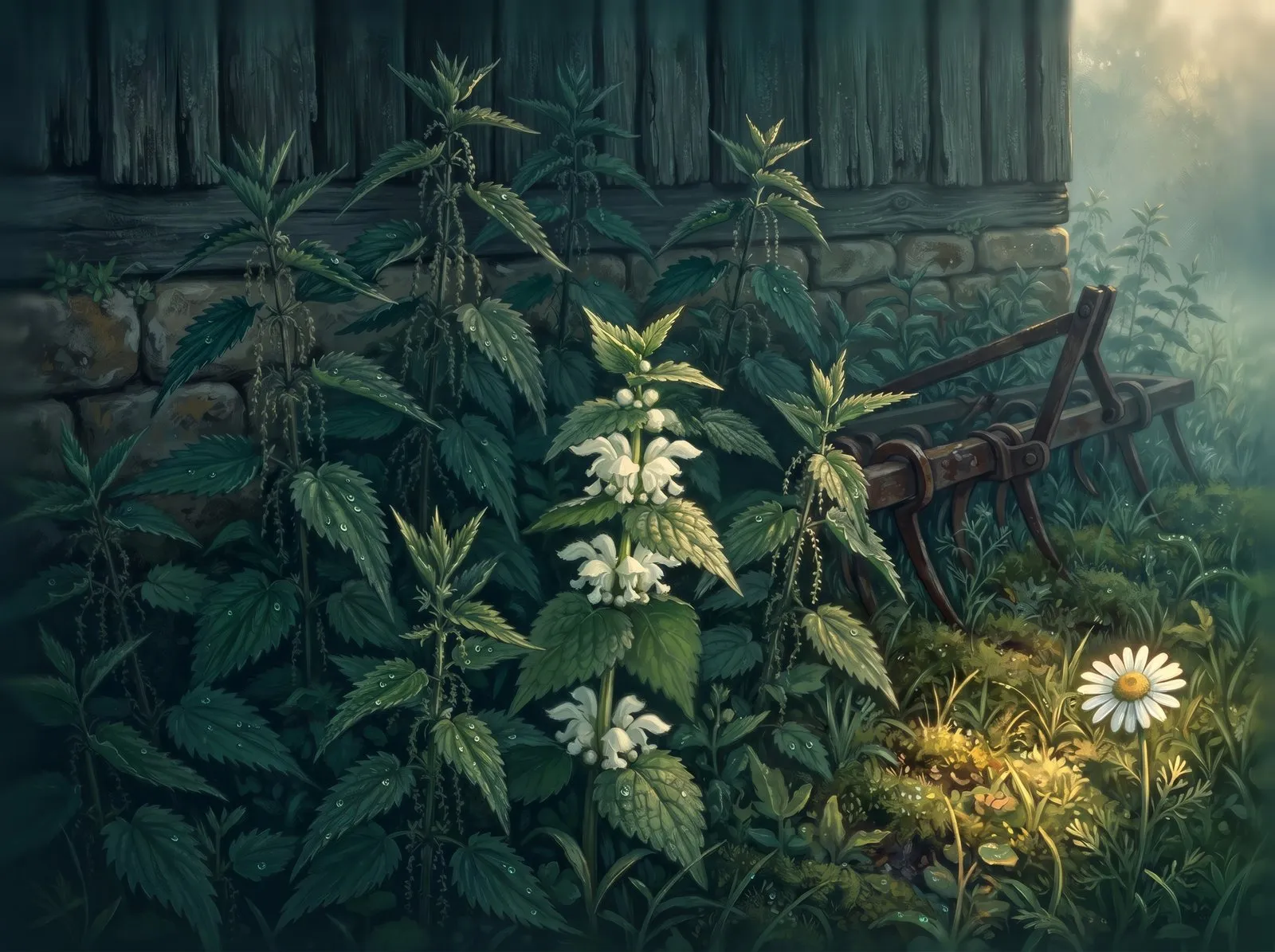
Nettles grow by the old barn. Prickle, prickle! Everybody’s scared of them.
In between them grows a little white archangel. Her leaves look just like a nettle’s. But the archangel doesn’t sting.
“I’m prickly too!” hisses the archangel. “Ssssss!”
And she hides her little white flowers under her leaves.
Along comes a bumblebee. Bzzzz.
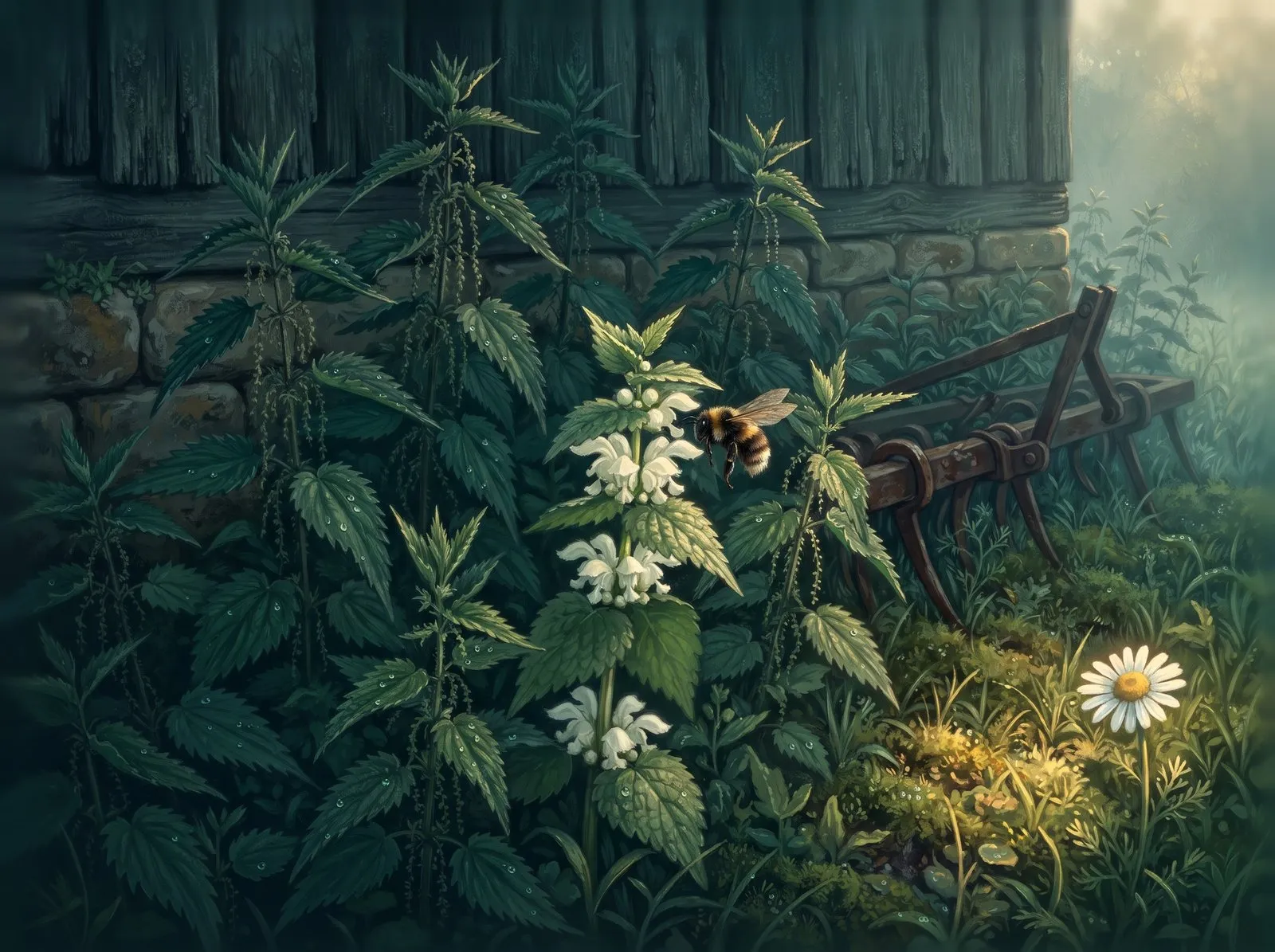
“Archangel, where are your flowers? I want some honey.”
“I haven’t got any flowers. I’m prickly! Ssssss!”
The bumblebee flies away. Bzzzz.
The little daisy calls out:
“Archangel, let’s talk!”
“No. I’m prickly! Ssssss!”
The archangel feels sad. Everybody runs away from her.
Then a girl comes running. Barefoot. She’s not scared of nettles. She touches the archangel.
“You don’t sting!” laughs the girl. She opens up the leaves. “Oh, what pretty white flowers! You’re an archangel!”

The girl tastes one little flower.
“It’s sweet!”
She picks the archangel and weaves it into her flower crown. Right in between the white daisies.
The girl puts on her crown and runs across the meadow. Hop, hop, hop!
The archangel has never been up so high. The breeze is so fresh! It tickles her little white flowers.

By the old barn grew nettles. Tall, dark and prickly. Every one of them stung, and everybody was scared of them: the goat, the cat and the kids.
In among them a white archangel sprouted up. Her leaves looked exactly like nettle leaves, only she didn’t sting. Not one bit. Under her leaves she had white flowers with a drop of honey inside, and every morning a bumblebee flew over to taste them. Bzzzz.
At the edge of the nettle patch grew a little daisy. She and the archangel chatted all day long, and when it rained, the archangel would bend down a leaf so the drops rolled right onto the daisy’s head.
“More!” the daisy would laugh.

But the nettles made fun of the daisy:
“Softie! And you, archangel, you’re one of us, aren’t you?”
The archangel liked being “one of them”. It was safe among the nettles. So she started pretending: she bristled her leaves, hissed like the nettles did, and hid her white flowers under her leaves so nobody would find out how soft she really was.
One hot day the goat came over from the farm.
“Cover me up,” the daisy begged. “The goat will think I’m a nettle.”
The archangel wanted to. But the nettles hissed:
“Let’s see whose side you’re on.”
And the archangel pulled her leaves away.
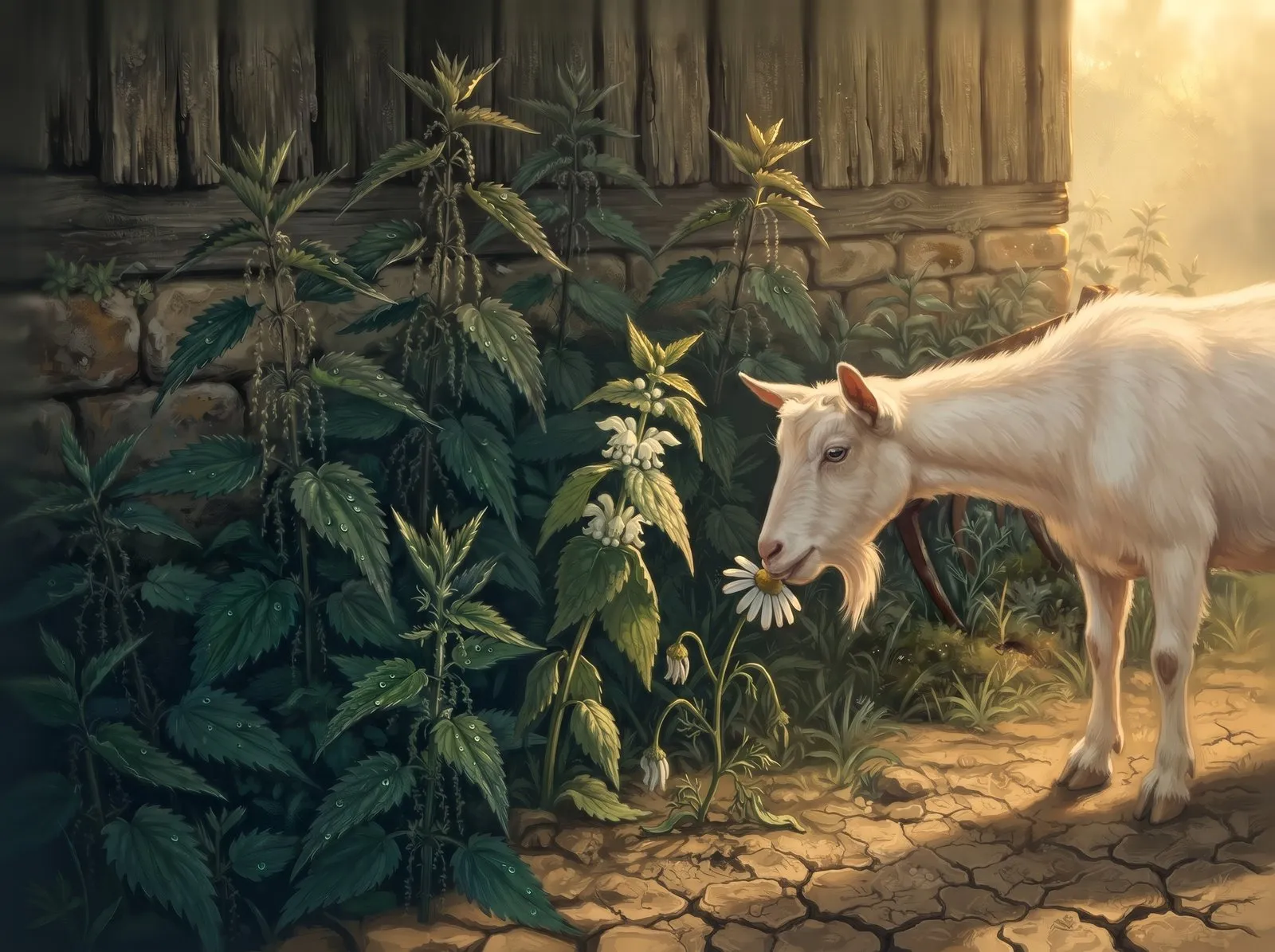
The goat bit off the daisy’s flower. All that was left at the edge was a bare little stalk.
Next morning the bumblebee asked:
“Where’s the daisy’s flower?”
“None of my business,” said the archangel, in a nettle voice. And it scared her how mean that sounded.
The bumblebee couldn’t find any flowers, so it flew away. Now the archangel only had the nettles. She’d hidden her flowers for so long, she’d forgotten she even had them.
One evening a barefoot girl from the farm came walking through the nettles. She wasn’t scared of them. She stopped by the archangel and took hold of one of her leaves.
“You don’t sting!” the girl said, surprised. She opened up the leaves and found the white flowers. “So you’re an archangel! Why are you hiding?”
The girl pulled out one little flower and sucked it.
“Sweet!” she laughed.
The archangel trembled all over. Sweet. She’d forgotten that herself.
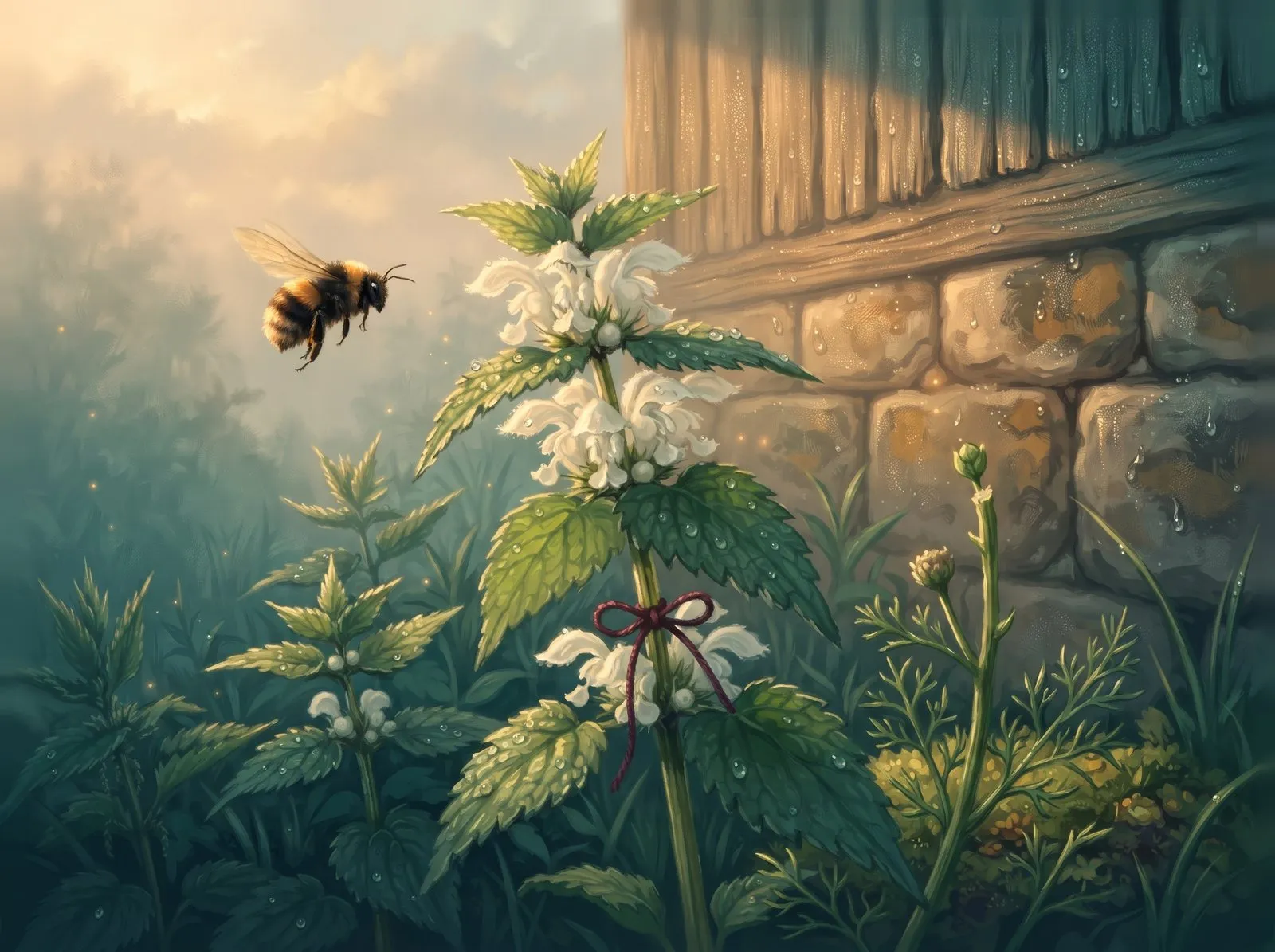
The girl tied a red thread around her stem.
“So I can find you tomorrow,” she said, and ran off.
The next morning the archangel didn’t hide her flowers anymore. She held them up high, and soon there was a familiar bzzzz. And over at the edge, on the daisy’s bare stalk, a tiny new bud was trembling.
“I’m sorry,” the archangel said quietly, in her own voice.
The daisy didn’t answer straight away. But she did answer.
The white archangel sprouted where nobody plants anything: by the old barn, between the stone foundation and a rusty old harrow. All around her towered the nettles. Tall, dark, with hairy stems, they smelled of damp earth and something sharp, and when the wind swayed them, it sounded like they were hissing.
“Look, a new one,” one of them whispered. “Leaves just like ours.”
And her leaves really were like nettle leaves: toothed, wrinkly, dark green. Only the archangel didn’t sting. Not at all. But the nettles didn’t know that, and she didn’t tell them.
Every morning, before the dew had dried, a bumblebee came to visit her. Fat and brown-striped, it buzzed so hard the whole stem shook, and it stuck its head into the white flowers bunched up where her leaves met the stem. That’s where a drop of honey was hiding. The archangel looked forward to those mornings more than to rain. Even though she looked forward to rain too.
At the edge of the nettle patch, out in the sun, grew a little daisy. When it got really hot she’d snuggle into the archangel’s shade, and the two of them talked about everything: ants, clouds, the girl from the farm who walked barefoot straight through the nettles and didn’t even wince. “Nettles make your legs strong!” her granny used to shout from the yard.
When the rain finally came, the archangel would bend down her widest leaf, and the drops rolled off it right onto the daisy’s head.
“More!” the daisy giggled, and the archangel bent down another one.
The nettles didn’t like the daisy.
“Softie,” they sneered. “Anyone could snap her off. Why are you even talking to her? You’re one of us.”
The archangel looked up at the tall nettle stems above her, and she liked that word. Us. Among the nettles, nobody would touch her: not the goat, not the kids, not granny’s scythe.
So the archangel started trying to be one of them. She bristled her leaves whenever the cat came sneaking past. She laughed along when the nettles talked about “softies”. And she started bending her flowers down, under her leaves, so nobody could see how white and soft they were. The bumblebee still came, but it buzzed around longer and longer each time, looking for somewhere to land.
In July the drought came. The ground cracked, and dust settled on everything like grey flour. The nettles didn’t complain, their roots went deep. But the daisy hung her head and leaned against the archangel’s leaves, like always.
That afternoon the goat came ambling over from the farm. Bearded and nosy, she nibbled anything that didn’t sting, and always gave the nettle patch a wide berth.
“Cover me,” the daisy whispered. “She’ll think I’m a nettle too.”
The archangel was just about to spread her leaves when the nettles rustled above her:
“Well. Let’s see whose side you’re on.”
The archangel pulled her leaves away.
The goat didn’t even stop. One bite, and all that was left at the edge was a chewed-off stalk and a slightly bitter smell of sap. The nettles rustled their approval. The archangel stood up straighter than ever. Only that night, for a long time, she didn’t know what to do with her leaves.
The next morning the bumblebee came.
“Where’s the daisy?” it asked.
“None of my business,” said the archangel. “Goats eat whatever they find.”
The words came out dry and prickly, exactly the kind of thing the nettles would say. The archangel was surprised herself at how easily they slipped out. The bumblebee hovered, looked around for flowers, didn’t find any, and flew away. It never came back.
August was quiet. The archangel stood in the nettle patch, all scrunched up and bent over, and slowly forgot she had flowers at all. If anyone had asked, she’d have said she never had any. Sometimes, early in the morning, a buzz drifted over from far away, and something inside her stirred. But the bumblebee always flew past, off to the clover field.
One evening the girl came wading through the nettles. Barefoot, holding a big handful of daisies and cornflowers, she was picking flowers for a crown. The nettles bristled and hissed and whipped at her shins, but she just snorted and kept going. She stopped by the archangel, reached out and took a leaf between her fingers. Her palm was warm and a bit rough, and it smelled of wild strawberries and dust.
Nothing. No sting.
The girl raised her eyebrows, parted the leaves, and saw what the archangel had been hiding for so long: white, slightly crumpled flowers.
“So you’re an archangel,” she laughed. “And you’ve been pretending to be a nettle.”
She pulled out one little flower and sucked it. The archangel was stunned. She’d forgotten herself that she was sweet.
The girl carefully snapped off the stem, wove the archangel into her crown between the daisies, and wound the ends with a red thread. The nettles were still hissing something after her, but nobody was listening anymore. The daisy petals brushed against the archangel’s leaves, and it seemed to her that one of them smelled exactly like the one from the edge.
The girl put on her crown and ran home across the meadow. The archangel lifted her white flowers to the evening sun. She’d never been up so high before.
The white archangel sprouted where nobody plants anything: by the old barn, between the stone foundation and a rusty harrow. All around her towered the nettles, tall and dark, with hairy stems. They smelled of damp earth and something sharp, and the whole yard knew it was best not to touch them.
“Look, a new one,” one of them whispered. “Leaves just like ours.”
The archangel looked at her leaves. Toothed, wrinkly, dark green. Just like theirs, really. That she didn’t sting, not one bit, the nettles didn’t know. She didn’t tell them. Not because she wanted to lie. It’s just that nobody asked, and keeping quiet was easier.
Her mornings belonged to the bumblebee. It came before the dew had dried, fat and brown-striped, buzzing so hard the whole stem shook, and pushed its head into the white flowers tucked where her leaves met the stem, where a drop of honey was hiding. For the archangel this was something close to happiness: being the thing someone comes looking for.
Her days belonged to the daisy. The daisy grew at the edge of the nettle patch, out in the sun, and when it got hot she’d snuggle into the archangel’s shade. They talked about ants, about clouds, about the barefoot girl from the farm who waded through the nettles without even wincing, because her granny said nettles make your legs strong. And when the rain came, the archangel would bend down her widest leaf, and the drops rolled off right onto the daisy’s head.
“More!” the daisy giggled.
The nettles didn’t like that.
“Softie,” they sneered. “Anyone could snap her off. Why are you even talking to her? You’re one of us.”
Us. The archangel looked up at the stems rising over her like a wall, and felt that word wrap itself around her. Among the nettles nobody would touch her: not the goat, not the kids, not granny’s scythe. All she had to do was not stand out.
And she didn’t. She bristled her leaves whenever the cat came sneaking past. She laughed along when the nettles talked about “softies”, and every time, her laugh sounded a little more prickly. She started bending her flowers down, under her leaves. At first only when the nettles were looking. Then all the time, because you never know when they’re looking. The bumblebee still came, but it buzzed around longer and longer, looking for somewhere to land.
In July the drought came. Dust settled on everything like grey flour. The nettles didn’t complain, their roots went deep. The daisy hung her head and leaned against the archangel’s leaves, like always.
That afternoon the goat came ambling over from the farm. She nibbled anything that didn’t sting, and always gave the nettle patch a wide berth.
“Cover me,” the daisy whispered. “She’ll think I’m a nettle too.”
The archangel was just about to spread her leaves when something rustled above her:
“Well. Let’s see whose side you’re on.”
It wasn’t a question. The archangel understood that straight away, and she understood just as quickly that she had to answer now. She pulled her leaves away.
One bite. All that was left at the edge was a chewed-off stalk and a slightly bitter smell of sap. The nettles rustled their approval, and the archangel stood up straighter than ever. That night, for a long time, she didn’t know what to do with her leaves.
“Where’s the daisy?” the bumblebee asked the next morning.
“None of my business. Goats eat whatever they find.”
Dry, prickly words, nettle words. What scared the archangel wasn’t that she’d said them. It was how easily they came out, as if they’d always been hers. The bumblebee hovered, looked for flowers, didn’t find any, and flew away.
August was quiet. The archangel stood bent over and slowly stopped thinking about her flowers. She didn’t decide to forget them. There was just nobody left to show them to, and they turned into something from a long time ago. Sometimes, early in the morning, a buzz drifted over from far away, and something inside her stirred. But the bumblebee flew past, off to the clover field.
One evening the girl came wading through the nettles. Barefoot, with a big handful of daisies and cornflowers. The nettles bristled and whipped at her shins, and she just snorted. She stopped by the archangel and took a leaf between her fingers. Her palm was warm and a bit rough, and smelled of wild strawberries.
Nothing.
The girl parted the leaves and saw what the archangel had hidden for so long she couldn’t remember it herself: white, slightly crumpled flowers.
“So you’re an archangel,” she laughed. “And you’ve been pretending to be a nettle.”
She pulled out a little flower and sucked it, and through her, as if from the outside, the archangel found out that she was sweet.
The girl snapped off the stem, wove the archangel into her crown between the daisies, and wound the ends with a red thread. The nettles hissed after her, but nobody was listening anymore. The daisy petals brushed against the archangel’s leaves, and one of them smelled exactly like the one from the edge. Or maybe it only seemed that way.
The girl put on her crown and ran home across the meadow. The archangel lifted her white flowers to the evening sun, hiding nothing anymore. She’d never been up so high before. Or so far from her roots.
What this story is about
The archangel is born with a mask: her leaves look like a nettle’s. At first it’s only protection, and she isn’t doing anything wrong, she just doesn’t tell the truth. But wanting to belong with the strong ones slowly changes her. She starts talking like the nettles, laughing at the weaker ones, hiding the softest part of herself. The turning point comes when, to keep her place among “her own”, she betrays her friend, and then lies in their voice. What takes her furthest isn’t the lie, though, it’s forgetting: she’s hidden her flowers for so long that she no longer remembers who she is.
Themes: wanting to belong to a group, pretending, betraying a friend for your own gain, lying, losing yourself.
The endings are different. In the 5–8 version the archangel stays where she grows: the goat only bites off the daisy’s flower, the daisy grows a new bud, and the archangel says sorry. In the other versions the girl discovers the archangel and weaves her into a flower crown, and in the 9–12 and Older readers versions the goat eats the daisy as well.
Ages 2–4
Theme: I don’t need to pretend.
For little kids, pretending is usually a game (“I’m a lion!”), and that’s fine. The story gently shows the other side: when the archangel keeps pretending to be prickly, everyone runs away from her. But when the girl sees her white flowers, the archangel goes up high with her, into a flower crown, and feels the fresh breeze.
Questions
- Why did the archangel hiss “ssssss”?
- Where did the archangel go in the end?
- What have you got that’s lovely, like the archangel’s sweet little flowers?
You can play it together: your child hisses like a nettle, then “opens up their flowers”, and you give them a hug. In the game they’ll feel the difference without any explaining.
Ages 5–8
Theme: when you want to be with the “cool kids”.
At this age belonging matters a lot: the group of friends in the yard, in class. The archangel isn’t bad, she just wants to be with the strong ones, because it’s safe there. It’s worth talking about what she lost because of it, and that it’s never too late to say sorry, even if forgiveness doesn’t come straight away.
Questions
- Why did the archangel want to be like the nettles?
- What did she lose when she hid her flowers?
- How do you think the daisy felt when the archangel pulled her leaves away?
If your child tells you they once laughed along with the others even though they didn’t want to, praise them for noticing. You could ask: “What would you have liked to do?”
Ages 9–12
Theme: when fitting in makes you forget yourself.
Around fifth and sixth grade, the group’s rules often start to matter more than friendship. “Let’s see whose side you’re on” is a real test at this age: are you with us, or with her? The archangel decides in a second, and then lives with it all August. Kids often ask about the ending: is it good or bad that the archangel got picked? Let them think it through themselves, both answers make sense.
Questions
- When does the archangel first lie? And when does she start lying to herself?
- Why did the nettles say “let’s see whose side you’re on”? Have you ever heard something like that?
- The girl saw the real archangel, but she picked her. Is the ending happy or sad?
At this age it’s hard to admit you’ve been the one hiding among the nettles yourself. Ask about others instead: “Have you ever seen someone in your class pretend, just to fit in?” They often end up talking about themselves on their own.
Older readers and adults
The archangel didn’t invent her mask. She was born that way, and for a while it’s simply convenient: you’re not lying, you’re just not saying. But the mask works both ways: it protects you from others, and it cuts you off from yourself. The more the archangel fits in, the harder it gets for her to reach the softest part of herself, until in the end she doesn’t even remember she has it.
The key moment isn’t the betrayal itself, it’s the words that come after: “none of my business”. What frightens the archangel isn’t the lie, it’s how naturally it came out in her new voice. That’s often how it goes: first you’re playing a part, and then you don’t notice the part has started speaking for you.
The ending is ambiguous. The archangel is finally seen for who she is, but only once she’s been picked. Whether being seen is worth that price, or whether it’s her last illusion, the story doesn’t say.
To think about
- In which group or relationship am I not speaking in my own voice?
- What have I been hiding in myself for so long that I no longer remember I have it?
- When was the last time I “pulled my leaves away” to keep my place among my own?